Amos Oz
Israeli writer and advocate of a two-state solution.

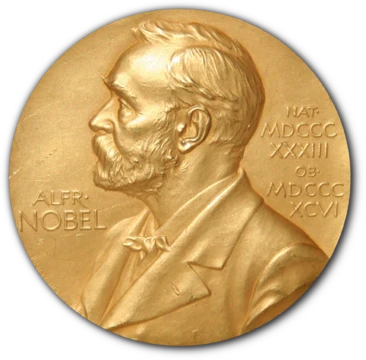
via Wikipedia: 2007 Nobel Prize in Literature · see source
Amos Oz was an Israeli writer, novelist, journalist, and intellectual. His work has been published in 45 languages, a claim that is disputed as the highest for any Israeli writer.
- field
- Literature, journalism, academia
- nationality
- Israeli
- known_for
- Advocacy of a two-state solution; author of 40 books translated into 45 languages
Lore & Background
His father was a librarian, his mother a former student of history and philosophy. He wrote 40 books, including novels, short stories, children's books, and essays.
Reader's Guide
Amos Oz's significance lies in his dual role as a major literary figure and a public intellectual advocating for a two-state solution to the Israeli–Palestinian conflict. His 40 books, translated into 45 languages, made him the most translated Israeli writer. His memoir 'A Tale of Love and Darkness' explored his mother's suicide and his coming of age. Oz argued that the conflict was a real estate dispute requiring painful compromise, not a war of religion or culture. His literary style combined realistic protagonists with ironic and critical portrayals of kibbutz life. Despite posthumous allegations of abuse by his daughter, his legacy as a writer and advocate remains central to Israeli culture and political discourse.
Did You Know?
- Oz changed his surname from Klausner to 'Oz,' meaning 'courage' in Hebrew, after joining Kibbutz Hulda at age 14.
- His mother, Fania, committed suicide when he was 12, an event he later explored in his memoir 'A Tale of Love and Darkness.'
- His works have been translated into 45 languages, though the claim that this is more than any other Israeli writer is disputed.
Among the Favourites
He was listed alongside a remarkable constellation of international literary figures, including Korean poet Ko Un, Syrian poet Adonis, American novelists Don DeLillo and Cormac McCarthy, Canadian Margaret Atwood, Mexican Carlos Fuentes, Peruvian Mario Vargas Llosa, Somali writer Nuruddin Farah, and Swedish poet Tomas Tranströmer. This roster of pre-announcement favourites reflected a global literary conversation spanning continents, languages, and genres. Oz's presence in that speculative field placed him within a conversation about which voices and traditions the Nobel committee might choose to celebrate that year, positioning him among some of the most prominent living writers across the world's literary landscapes and suggesting a broad international readership for his work.
A Global Literary Conversation
This breadth suggests that the Nobel committee's deliberations that year engaged with a truly worldwide field of literary achievement. For a writer like Oz, being grouped in the public imagination alongside figures from so many different national and cultural traditions underscored the international reach of contemporary literature. The speculation itself became a kind of informal census of who the literary world considered its most vital voices at the close of the first decade of the twenty-first century, with Oz occupying a place among them and his work judged worthy of the same global conversation as these peers.
The Prize and the Prizeless
The Swedish Academy's citation praised her as a chronicler of women's experience who, with sharp scepticism, fierce energy, and visionary imagination, held a fractured civilisation up to scrutiny. Lessing's body of work encompassed roughly fifty books across multiple genres, ranging from The Grass Is Singing to the Canopus in Argos science fiction series. Her selection meant that the other speculated favourites, including Amos Oz, would have to wait.
Legacy of the Speculation
Oz's inclusion alongside poets, novelists, and writers from vastly different traditions indicates that his work was being read and valued across linguistic and cultural boundaries.
More in Nobel And Booker Prize Laureates 1-23
Related in Nobel And Booker Prize Laureates
Links follow this subject's own source article.
Spotted an error? Know more?
This is a living reference — every entry is fact-audited, and reader corrections feed straight into our audit queue. Suggest an edit · See this site's audit record