Wole Soyinka
Nigerian Nobel laureate whose works explore culture and politics.

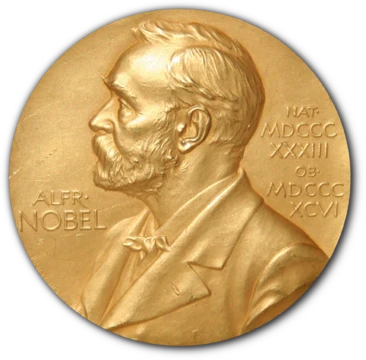
Akinwande Oluwole Babatunde Soyinka, known as Wole Soyinka, is a Nigerian writer, playwright, and poet born on 13 July 1934. He was awarded the 1986 Nobel Prize in Literature for his 'wide cultural perspective and poetic overtones fashioning the drama of existence.' He has written three novels, ten collections of short stories, seven poetry collections, twenty-five plays, and five memoirs, along with two translated works and many articles and short stories for newspapers and periodicals.
- born
- 13 July 1934
- field
- Writer, playwright, poet
- nationality
- Nigerian
- known_for
- 1986 Nobel Prize in Literature; plays such as The Swamp Dwellers, The Lion and t
Verified Timeline
Lore & Background
Soyinka was born into an Anglican Yoruba family in Aké, Abeokuta, Nigeria. He attended Government College, Ibadan, and University College Ibadan, where he co-founded the Pyrate Confraternity. He later studied at the University of Leeds in England, editing the university's satirical magazine The Eagle. His early plays, including The Swamp Dwellers (1958) and The Lion and the Jewel (1959), were performed in Nigeria and the UK, notably at the Royal Court Theatre. He also wrote novels such as The Interpreters (1965) and Season of Anomy (1973), and his works often reflect Nigeria's history, culture, and political struggles. During the Nigerian Civil War, Soyinka was arrested by federal authorities and imprisoned for 22 months after meeting with military figures in an effort to avert the conflict. While imprisoned, he wrote poems and notes criticizing the Nigerian government. After his release, he continued to produce plays, poetry, and satirical writings. In July 2024, Bola Tinubu renamed the National Arts Theatre after Soyinka during his 90th birthday.
Reader's Guide
Wole Soyinka's significance lies in his role as a pioneering African writer who used literature to engage with political and social issues. His Nobel Prize in 1986 recognized his 'wide cultural perspective and poetic overtones fashioning the drama of existence,' highlighting his ability to blend Yoruba traditions with universal themes. His plays, such as Death and the King's Horseman and The Lion and the Jewel, are studied worldwide for their exploration of power, identity, and colonialism. Soyinka's imprisonment during the Nigerian Civil War underscores his commitment to political activism, and his satirical writings have reached broad audiences. His legacy endures through his extensive body of work—including 25 plays, 7 poetry collections, and 5 memoirs—and his influence on African theater and literature. The renaming of the National Arts Theatre in his honor in 2024 reflects his lasting cultural impact in Nigeria.
Did You Know?
- Soyinka co-founded the Pyrate Confraternity while at University College Ibadan.
- He was arrested in 1965 for holding up a radio station at gunpoint and replacing a recorded speech with accusations of electoral malpractice.
- During the Nigerian Civil War, Soyinka was imprisoned for 22 months after meeting with military figures to try to avert the conflict.
- Soyinka's play A Dance of the Forest was the official play for Nigerian Independence Day, premiering in Lagos on 1 October 1960.
- In July 2024, Bola Tinubu renamed the National Arts Theatre after Soyinka during his 90th birthday.
More in Nobel And Booker Prize Laureates 1-23
Spotted an error? Know more?
This is a living reference — every entry is fact-audited, and reader corrections feed straight into our audit queue. Suggest an edit · See this site's audit record